Archive for Blog

Saint Lucia to Host First CTO Latin American Market Summit

SAO PAULO, Brazil (April 16, 2026) — The Caribbean Tourism Organization (CTO) announced that Saint Lucia will host the inaugural CTO Latin American Market Summit next year on May 5-6, 2027.

The announcement was made this week at World Travel Market (WTM) Latin America in Brazil.

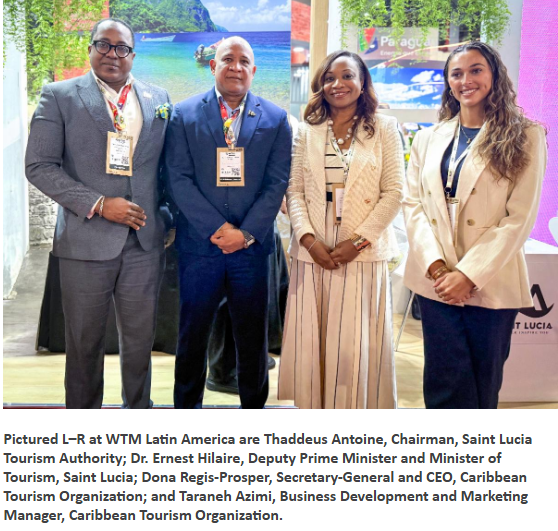
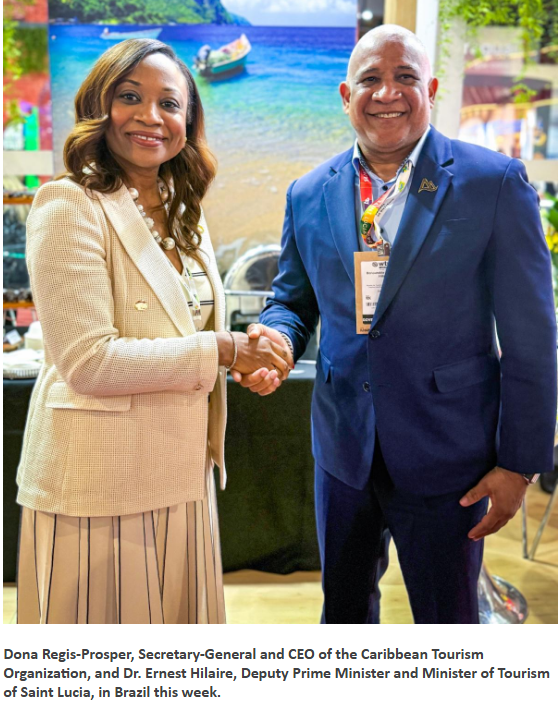
Dona Regis-Prosper, Secretary-General and CEO of the Caribbean Tourism Organization, and Dr. Ernest Hilaire, Deputy Prime Minister and Minister of Tourism of Saint Lucia, in Brazil this week.

The one-and-a-half-day summit is designed to deepen ties between Caribbean tourism stakeholders and the fast-growing Latin American travel market. It will convene Latin American airlines, tour operators, travel agents, media representatives and partner destinations to identify opportunities, build commercial partnerships and advance regional collaboration.

Key objectives include positioning the Caribbean as a premier destination for Latin American travelers, sharing market research and insights through panels and keynote sessions, enabling direct one-on-one business meetings, and strengthening cooperation with CTO Allied Members, ACI-LAC and other industry partners. The event will also feature showcases of individual Caribbean destinations.

A major focus will be improving air connectivity between the Caribbean and Latin America. Organizers plan to build on findings from the CTO Air Connectivity Study, which highlighted capacity gaps and significant potential for new air services to key South American markets, including Argentina, Chile and Brazil.

South America was the Caribbean’s strongest-performing source market in 2025, with arrivals rising 23.7% to 2.4 million visits. Officials attribute the surge to better air links, targeted marketing campaigns and rising outbound demand from the region, which has helped diversify the Caribbean’s traditional source markets.

“Saint Lucia is honored to host the 2027 CTO Latin American Market Summit with a strong focus on connectivity and strengthening ties with Latin America,” said Dr. Ernest Hilaire, Saint Lucia’s Deputy Prime Minister and Minister of Tourism, Commerce, Investment, Creative Industries, Culture and Heritage.

Speaking in São Paulo at WTM Latin America, he added: “By targeting new direct links, we can open fresh markets, boost visitor numbers and revenue, and drive sustainable economic growth across the region’s communities.”

Dona Regis-Prosper, Secretary-General and CEO of CTO, stated: “Hosting the 2027 summit in Saint Lucia with a dedicated focus on Latin America will allow us to turn insights into action — identifying new routes, forging partnerships, and delivering tangible benefits for our member countries.”

The event, to be held just before the start of the legendary Saint Lucia Jazz & Arts Festival, is expected to include targeted sessions on route development, market intelligence and partnership-building initiatives.

group photo

Posted in: 2026 News, Blog, Corporate News

Leave a Comment (0) →

Tourism Careers: Expanding the Horizon of Opportunity in the Caribbean

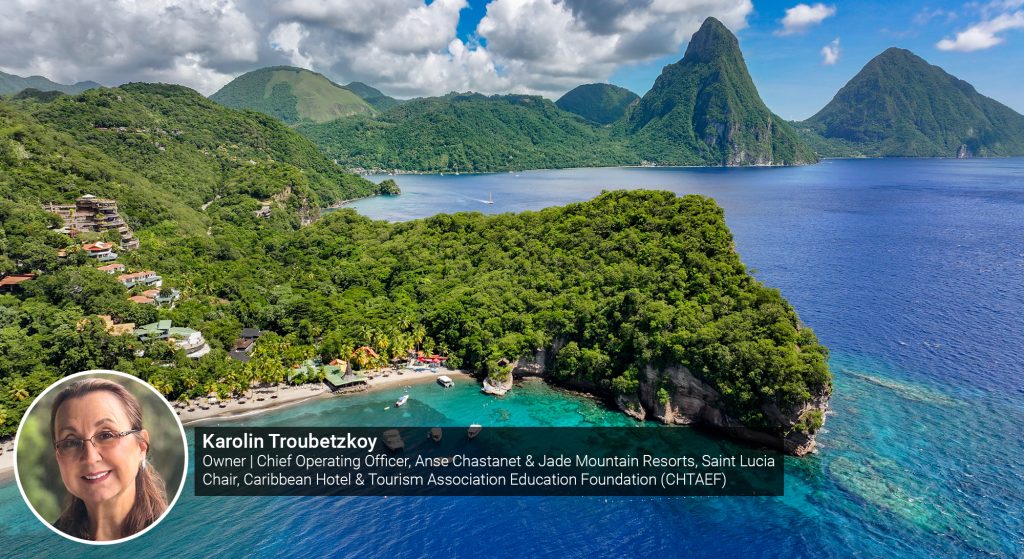
karolin jade mountain

From protecting marine ecosystems to driving digital innovation, tourism today offers far more diverse career opportunities than many young Caribbean professionals realize.

Tourism is widely recognized as the Caribbean’s leading economic sector and a major driver of employment across the region. Yet one dimension of the industry often remains underappreciated: the remarkable diversity of professional opportunities it offers.

Many young people still view tourism primarily through the lens of frontline hospitality roles — hotel reception, restaurant service or housekeeping. These are important and rewarding professions, but they represent only one part of a much broader and increasingly sophisticated industry. Today’s tourism sector requires expertise across a wide range of disciplines, including sustainability and regenerative tourism, marine conservation, information technology, digital marketing, finance and revenue management, destination planning, climate resilience and talent development.

Digital Transformation and Technology in the Tourism Sector

Technology is transforming how visitors discover, book and experience destinations. Digital platforms, data analytics, guest experience technologies and cybersecurity are becoming essential elements of modern tourism operations. As a result, IT and digital transformation are emerging as critical areas of opportunity for the next generation of Caribbean professionals.

Culinary Excellence and Gastronomy Innovations

At the same time, the culinary dimension of tourism has evolved significantly. Caribbean cuisine is gaining international recognition, and culinary arts within the tourism sector have reached a new level of creativity and excellence. For many young professionals, careers in culinary arts, gastronomy and food innovation offer rewarding and highly respected professional pathways.

Environmental Stewardship and Sustainable Development

Tourism in small island developing states also sits at the intersection of economic development and environmental stewardship. Healthy coral reefs, protected coastlines, thriving forests and resilient communities are central not only to our natural heritage but also to the long-term sustainability of Caribbean tourism.

Investing in Future Leaders: CHTAEF and Global Training Partnerships

Through my volunteer work as Chair of the Caribbean Hotel & Tourism Association Education Foundation (CHTAEF), we seek to expand pathways for Caribbean nationals to build meaningful careers in tourism. The Foundation supports both on-island training initiatives and scholarships for international hospitality education. Through our partnership with Les Roches Global Hospitality Education, we help Caribbean students access world-class training and leadership opportunities.

Building a Dynamic Career Ecosystem for the Caribbean

Looking ahead, strengthening Caribbean talent in areas such as executive hospitality management, environmental stewardship, climate resilience, marine conservation, regenerative tourism, culinary arts and digital innovation will be essential to the continued success of our tourism economies. Tourism should therefore not be seen simply as a job, but as a dynamic career ecosystem offering opportunities for innovation, leadership and stewardship of the Caribbean’s natural and cultural heritage.


Author: Karolin Troubetzkoy

Owner/ Chief Operating Officer,
Anse Chastanet & Jade Mountain Resorts, Saint Lucia

Chair, Caribbean Hotel & Tourism Association Education Foundation

Posted in: Allied Member Insights, Blog

Leave a Comment (0) →

Robust Speaker Lineup Builds Excitement for STC 2026 in Belize

SAN PEDRO, Belize (April 9, 2026) — The Caribbean Tourism Organization (CTO) has assembled more than 40 speakers for its 17th Sustainable Tourism Conference (STC 2026) at month-end, highlighting regenerative practices and community benefit tourism development. Anchored in the concept of “Tourism in Full Color,” the April 27-30 conference will explore how Caribbean destinations can move beyond siloed approaches by adopting integrated tourism development models.

These models are based on the Blue Economy through responsible use of marine and coastal assets, the Green Economy by advancing low-carbon, climate-resilient and nature-positive solutions, the Orange Economy by unlocking the value of culture, heritage and creative industries, and the “beyond” economies such as the Purple Economy, which emphasizes social cohesion, identity, wellbeing and inclusive growth.

Drawing on her Indigenous knowledge and inclusive frameworks, Dame Pania Tyson-Nathan DNZM, Chief Executive of New Zealand Māori Tourism, will deliver the keynote address “Tourism in Full Color – A New Development Paradigm” which will aim to examine a more holistic approach to tourism development.

Additional featured speakers include Professor Dale Webber, Jamaica’s ambassador and special envoy for climate change and environment, who will examine the management of climate risk, and Paloma Zapata, CEO of Sustainable Travel International, addressing the management of carrying capacity in a climate-constrained world.

High-level officials will also take center stage in a ministerial dialogue on building resilience. Participants include Belize’s Minister of Tourism, Youth, Sports and Diaspora Relations, Anthony Mahler; Minister of Sustainable Development, Climate Change and Solid Waste Management, Orlando Habet; and Tobago’s Secretary of Tourism, Zorisha Hackett.

“The strength of STC 2026 lies in the diversity of voices and expertise coming together to shape the future of Caribbean tourism,” said Narendra Ramgulam, CTO’s Deputy Director of Sustainable Tourism. “By bringing together policymakers, practitioners and innovators from across sectors and regions, we are creating a platform where ideas can be exchanged, partnerships formed and practical solutions developed for a more resilient, inclusive and sustainable industry.”

Sessions on inclusive development will feature Dr. Kadijatu Grace Ahene-Kamara, Deputy Minister of Tourism and Cultural Affairs of Sierra Leone, while Dr. Acolla Lewis-Cameron of The University of the West Indies will address the importance of green tourism pathways. Additional perspectives will come from Belizean tourism expert Seleni Matus of The George Washington University; Dahlia Guard of the Saint Lucia Community Tourism Agency; Kelly Fontenelle, CEO of the St. Kitts Tourism Authority; and Frank Comito, former CEO of the Caribbean Hotel and Tourism Association.

Moderated discussions will feature award-winning Caribbean journalist Julian Rogers, and include representatives from the Inter-American Development Bank, CAF — Development Bank of Latin America and the Caribbean, The Travel Foundation, and the Organization of Eastern Caribbean States Commission.

In addition to plenary sessions and technical workshops, the program includes a full day of Sustainability in Action site visits. Delegates will explore various locations through curated immersive experiences, including the Lamanai Archaeological Reserve, Hol Chan Marine Reserve, Hopkins Experience (Palmento Grove Eco-Cultural and Healing Lodge, Che’il Mayan Chocolate, and Cockscomb Basin Wildlife Sanctuary), and The Chaa Creek Experience, offering firsthand insight into community-based tourism, marine and terrestrial conservation, and cultural heritage initiatives.

STC 2026, hosted by the Belize Ministry of Tourism, Youth, Sports & Diaspora Relations and the Belize Tourism Board, is sponsored by Carnival Corporation & plc and Norwegian Cruise Line Holdings Ltd./Belize Island Holdings Ltd (BIHL).

Additional Belizean sponsors and supporters include Bowen & Bowen, Development Finance Corporation, DIGI Belize, National Institute of Culture and History, Wine Smith Ltd., and the Belize Trade and Investment Development Service (BELTRAIDE).

Posted in: 2026 News, Blog, Corporate News, STC

Leave a Comment (0) →

Caribbean Tourism Shows Resilient Growth Amid Global Headwinds in 2025

BRIDGETOWN, Barbados (April 2, 2026) — Caribbean tourism continued its expansion in 2025, recording a 2.5% increase in international stay-over arrivals to an estimated 35 million visits, according to the Caribbean Tourism Organization (CTO).

This performance — approximately 900,000 more tourists than in 2024 — reflects the region’s sustained recovery and resilience with arrivals once again surpassing pre-pandemic 2019 levels.

Despite a complex global environment marked by evolving economic conditions in key source markets, heightened geopolitical tensions and weather-related disruptions, including the passage of Hurricane Melissa, the region maintained steady tourism demand throughout much of the year.
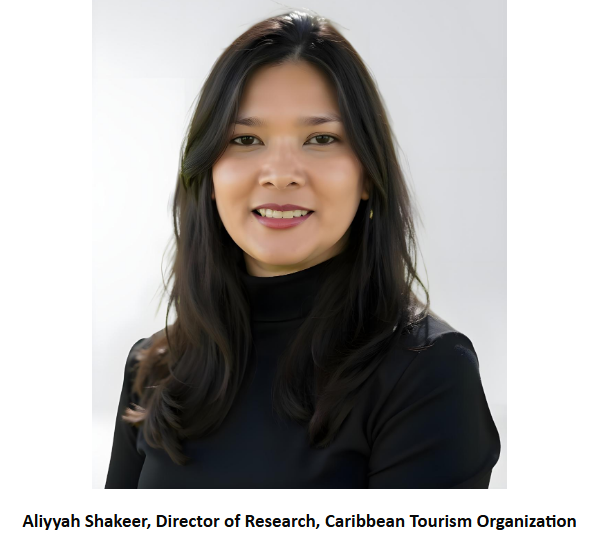
aliyyah shakeer

“Caribbean tourism in 2025 demonstrated continued resilience and adaptability even as the global landscape presented a number of challenges,” said Aliyyah Shakeer, CTO’s Director of Research. “Strategic investments in tourism infrastructure, sustained marketing efforts, and incremental gains in airlift connectivity helped support growth and maintain the region’s competitiveness.”

Performance across the year was uneven but generally positive. While the first quarter recorded a slight contraction of 0.3% amid early-year uncertainty, arrivals rebounded in the second and third quarters with growth of 5% and 5.6%, respectively. The fourth quarter remained broadly stable with marginal growth of 0.2% as late-year momentum softened.

Monthly arrivals ranged between 2.1 million and 3.5 million, peaking during the traditional high-demand periods of March, July and December. Notably, all months in 2025 exceeded their corresponding 2019 levels, underscoring the strength of the region’s post-pandemic recovery.

Across destinations, performance remained mixed. Strong growth was recorded in several destinations, including Guyana, Dominica, St. Vincent and the Grenadines, and Curaçao, reflecting ongoing product development and market diversification efforts.

At the same time, some destinations experienced contractions influenced by external economic pressures, capacity constraints and localized disruptions. Nevertheless, a majority of destinations have now surpassed their pre-pandemic benchmarks, highlighting the region’s overall recovery trajectory.

Source Markets

The United States remained the Caribbean’s largest source market, with arrivals increasing 0.5% to approximately 17 million visitors. While demand from this market remained relatively stable, performance was uneven across the year, reflecting more cautious consumer behavior and varying conditions across destinations.

Arrivals from Canada declined 5.3% to an estimated 3.1 million visitors, remaining below pre-pandemic levels, as higher travel costs and increased competition from alternative destinations influenced travel patterns.

Similarly, arrivals from Europe decreased 3.3% to approximately 5.1 million visitors with recovery continuing at a slower pace compared with other markets.

In contrast, South America emerged as the strongest-performing source market with arrivals increasing 23.7% to 2.4 million visits. This growth was supported by improved air connectivity, targeted marketing initiatives and rising outbound demand, contributing to a gradual diversification of the region’s source markets.

Intra-regional travel also showed modest improvement, increasing 5.1%, although ongoing challenges related to air connectivity and travel costs continued to constrain growth.

Caribbean Hotel Performance

The Caribbean hotel sector posted mixed results in 2025. According to CoStar, average room occupancy declined slightly to 63.7% from 65% in 2024. However, the Average Daily Rate (ADR) rose 2.1% to US$350.37 while Revenue Per Available Room (RevPAR) increased modestly by 0.8% to $223.12.

Performance varied across destinations with several markets recording growth across key indicators and others experiencing declines, reflecting uneven demand patterns and localized market conditions.

Cruise Tourism Performance

The cruise sector continued its strong expansion in 2025 with total cruise visits increasing 5.2% to an estimated 35.5 million visits. This represents a significant 16.7% increase over pre-pandemic 2019 levels, confirming the sector’s full recovery and continued growth trajectory.

Growth in cruise activity was evident throughout the year with particularly strong performance in the fourth quarter driven by increased capacity and strong seasonal demand. The Bahamas remained the leading cruise destination, receiving a record 10.7 million visits, followed by several high-performing destinations across the region.

The continued expansion of cruise itineraries, fleet capacity and port infrastructure has supported sustained growth in this segment, reinforcing its importance to the region’s overall tourism performance.

Outlook

Looking ahead, the outlook for Caribbean tourism remains cautiously optimistic. The sector is expected to transition into a phase of more moderate, stable growth as global travel patterns normalize.

“While growth is expected to continue, the pace of expansion may ease as the industry navigates a shifting global environment,” noted Shakeer. “Maintaining a steady focus on strengthening air connectivity, particularly intra-regional connectivity; enhancing product offerings; and diversifying source markets will be important to supporting sustained growth and resilience over the longer term.”

Notwithstanding current travel and tourism challenges, CTO projects that stay-over arrivals will increase between 3% and 4% in 2026, supported by steady demand from North America and continued expansion in select emerging markets. Cruise tourism is also expected to grow further with projected increases between 5% and 7%.

However, ongoing global uncertainties — including economic conditions, travel costs and external geopolitical developments — may continue to influence travel demand and performance across destinations.

“Caribbean tourism continues to demonstrate its resilience in the face of evolving global conditions, but this is no time for complacency. We must remain vigilant and proactive, working together as a united region to navigate uncertainty and sustain our momentum,” said Dona Regis-Prosper, CTO Secretary-General & CEO. “By strengthening collaboration, enhancing air connectivity and advancing responsible tourism practices, we can ensure long-term growth that benefits our people and economies.”

Regis-Prosper asserted the Caribbean remains well-positioned as a highly desirable destination, supported by its diverse tourism offerings, strong brand appeal and continued commitment to sustainable and regenerative tourism development.
Posted in: 2025 News, Blog, Corporate News, Statistics

Leave a Comment (0) →

What the Most Resilient Destinations Understand About Sustainability


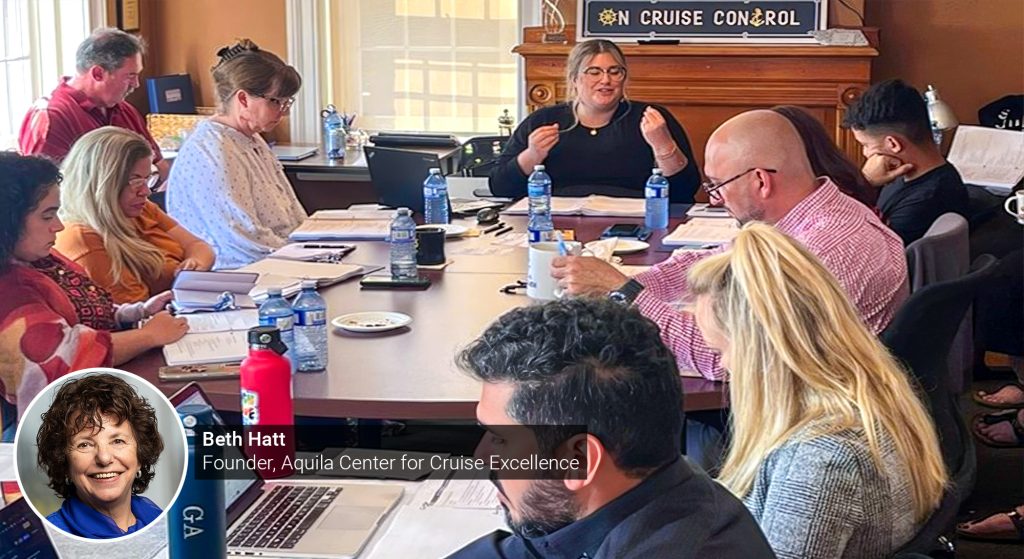
aquila training session

The strength of a destination lies not only in its natural beauty or infrastructure, but in the pride, knowledge, and care of the people who share their home with the world.

Destinations everywhere are investing in infrastructure, new experiences, and sustainability initiatives. Yet many leaders still face the same question: why do some places consistently deliver strong visitor experiences while others struggle, even with similar resources?

Beyond Infrastructure: Why Human Capital is the Core of Destination Strength

From all of Aquila’s work with destinations throughout the Caribbean, one lesson stands out: resilience is rarely about physical assets alone. It is about people systems.

Through its work with destinations, ports, and tourism stakeholders across the Caribbean, Aquila focuses on strengthening the human side of visitor experiences – supporting frontline teams, tour operators, and partners to align around shared standards, improve communication, and build confidence in how experiences are delivered.

Building Resilience Through People Systems and Collaborative Tourism

This work takes place through training, facilitated collaboration, and on-the-ground engagement, providing a clear view into how daily decisions and interactions influence both guest satisfaction and community outcomes.

When conditions change – whether due to weather, volume, shifting visitor expectations, or operational disruptions – the destinations that adapt most smoothly are the ones where teams understand the bigger picture and feel empowered to act on it. Frontline staff, partners, and community members know what success looks like and feel confident making decisions that support it.

Empowering the Frontline: Turning Strategy into Exceptional Visitor Experiences

That clarity shows up immediately in the visitor experience. Guests may not notice the systems behind the scenes, but they feel the difference when people are aligned and empowered.

Sustainability follows a similar pattern. It often begins as a policy or strategic priority, but it becomes real only when it shapes daily choices – how groups move through a destination, how stories are told, how challenges are handled in the moment.

The Link Between Operational Clarity and Long-Term Tourism Sustainability

The most resilient destinations understand that long-term success depends on more than facilities, marketing, or programming. They invest in the people who bring those elements to life. Training, communication, and shared understanding create the conditions where sustainability and quality experiences can thrive together.

In many ways, resilience and sustainability are two sides of the same coin. Both depend on the ability of people across a destination to act with clarity, confidence, and pride in what they represent.

When those human systems are strong, destinations are better prepared not only to welcome visitors, but to adapt, evolve, and thrive over time.


Beth HattAuthor: Beth Hatt
Founder, Aquila Center for Cruise Excellence

Website: https://cruiseexcellence.com
Facebook: https://www.facebook.com/AquilaCruiseExcellence
YouTube Channel
LinkedIn 


Posted in: 2025 News, Allied Member Insights, Blog

Leave a Comment (0) →
Page 9 of 119 «...7891011...»